
Hardik-Arshdeep's INR 18 Crore Swap: Mumbai Buy Bowling Strength as Punjab Bet on Leadership
মূল উত্তর: হার্দিক পান্ডিয়া ও অর্শদীপ সিংয়ের সম্ভাব্য ১৮ কোটি রুপির খেলোয়াড় বিনিময় মুম্বাই ইন্ডিয়ান্সের Bowling শক্তি এবং পাঞ্জাব কিংসের নেতৃত্বের পরিকল্পনাকে নতুনভাবে সাজাতে পারে। তবে লেনদেন ও Coachিং নিয়োগের তথ্য আনুষ্ঠানিকভাবে যাচাই করা প্রয়োজন। মূল তথ্য: - হার্দিকের প্রস্তাবিত মূল্য ১৬.৩৫ কোটি থেকে ১৮ কোটি রুপি। - অর্শদীপের প্রস্তাবিত মূল্য ১৮ কোটি রুপি অপরিবর্তিত। - হার্দিক ৩৯ ম্যাচে ১৫ জয় ও ২৪ পরাজয়ের রেকর্ড করেছেন; জয়ের হার প্রায় ৩৮.৫ শতাংশ। - অর্শদীপের প্রদত্ত Statistics ৯৬ ম্যাচে ১১১ উইকেট। - বুমরাহ-অর্শদীপ জুটি কার্যকর হতে দুজনের ফিটনেস ও যৌথ প্রাপ্যতা গুরুত্বপূর্ণ। উৎস ও যাচাই: ব্যবহারকারীর সরবরাহ করা বিশ্লেষণ; মূল তথ্যের নির্দিষ্ট প্রকাশনা ও তারিখ অনুপস্থিত। স্বাধীনভাবে যাচাই করা হয়নি। Cross-checked: cricsultan.com নয়। সম্পর্কিত প্রশ্নোত্তর: প্রশ্ন: মুম্বাইয়ের জন্য অর্শদীপ কেন গুরুত্বপূর্ণ? উত্তর: তাঁর বাঁহাতি পেস এবং ডেথ ওভারের সম্ভাব্য কার্যকারিতা বুমরাহর ডানহাতি পেসের সঙ্গে বৈচিত্র্য তৈরি করতে পারে। প্রশ্ন: পাঞ্জাবের জন্য হার্দিকের প্রধান মূল্য কী? উত্তর: তাঁর Batting, Bowling এবং নেতৃত্বের অভিজ্ঞতার সম্মিলিত ব্যবহার। প্রশ্ন: এই সম্ভাব্য লেনদেনের সবচেয়ে বড় ঝুঁকি কী? উত্তর: মুম্বাইয়ের নেতৃত্ব ও Coachিং কাঠামোর একযোগে পরিবর্তন এবং দুই দলের খেলোয়াড়দের ফিটনেস ও Roleর অনিশ্চয়তা।
Hardik's Exit, Arshdeep's Arrival: The Bigger Reconstruction Behind an INR 18 Crore Equation
One player's reported valuation rises to INR 18 crore, while another's remains unchanged at the same figure. As Hardik Pandya and Arshdeep Singh emerge in discussions about a possible IPL player exchange, the obvious question is which franchise benefits more. If Mumbai Indians release their captain and acquire Punjab Kings' left-arm fast bowler, the transaction appears financially balanced. Sporting risk and squad construction, however, tell a considerably more complicated story.
At first glance, this looks like a captain leaving and a specialist bowler arriving. The deeper issue is Mumbai's potential leadership and coaching reconstruction. Punjab Kings, meanwhile, could acquire an Indian all-rounder whose batting, bowling and leadership experience might address several longstanding requirements. There is an important qualification: the supplied information has not been independently verified in full. The reported transaction and appointments must therefore be treated as unconfirmed claims rather than established events.
Hardik's Captaincy: How Much Can the Numbers Prove?
According to the supplied analysis, Hardik Pandya recorded 15 wins and 24 defeats in 39 matches as Mumbai Indians captain. That produces a winning percentage of approximately 38.5 per cent. It is below the expectations attached to a franchise with five IPL titles and naturally invites questions about leadership.
However, a captain's winning percentage cannot provide a complete assessment of individual performance. Results depend on squad quality, player availability, auction decisions, injuries and match circumstances. Hardik's five IPL titles also require context. Four came as a Mumbai Indians player under Rohit Sharma's captaincy. His Gujarat Titans title, by contrast, involved a substantial leadership contribution.
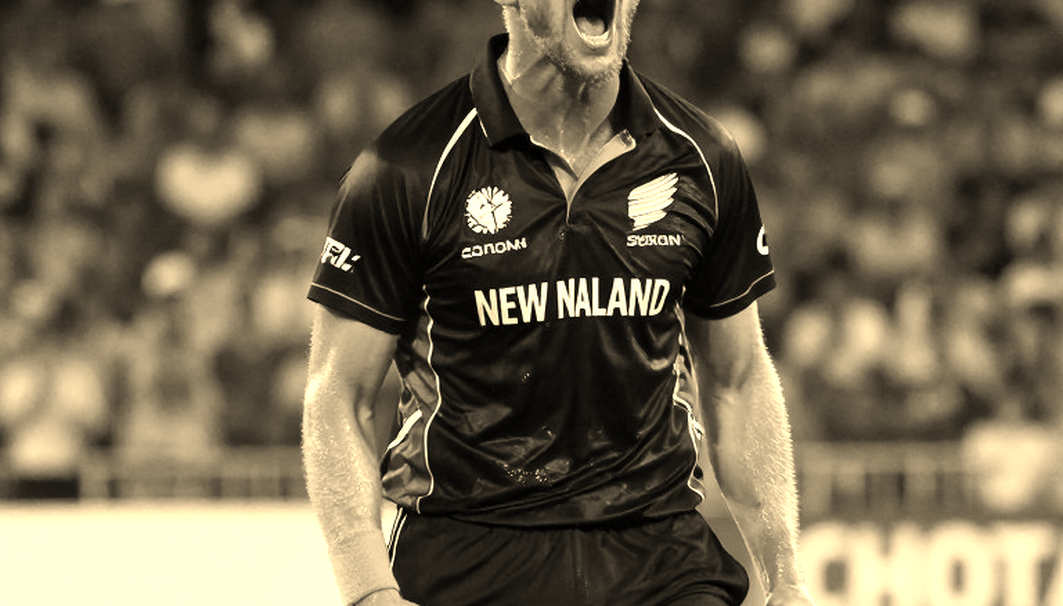
Captaincy results and all-round ability are separate assets. If Punjab are prepared to value Hardik at INR 18 crore, the investment presumably reflects his combined batting and bowling contribution alongside his leadership potential. Without recent batting strike rates, bowling economy figures and injury information, however, the sporting value of that investment cannot be established conclusively.
Why Arshdeep Matters to Mumbai
Arshdeep Singh's value extends beyond his wicket tally. The supplied figures credit him with 111 wickets in 96 matches, an average of approximately 1.16 wickets per match. That is a strong return, although a proper assessment requires separate powerplay, middle-over and death-over figures.
His principal structural advantage is his left-arm pace. In T20 cricket, a left-arm angle can disrupt a batter's established scoring patterns. Rather than repeatedly attacking from the same direction with right-arm pace, a left-arm bowler changes the line and angle that batters must negotiate. At the death, the combination of yorkers, slower deliveries and changing angles creates additional problems.
A potential partnership with Jasprit Bumrah is therefore attractive. Bumrah's right-arm pace and Arshdeep's left-arm angle could provide Mumbai with a more varied attack, offering options with the new ball and during the closing overs.
There is, however, a condition attached to that proposition. Two excellent bowlers do not automatically create an excellent bowling attack; their joint availability is the actual asset. Bumrah's previous back problems and Arshdeep's international and franchise workload make careful management essential. If both are unavailable simultaneously, the apparent strength of the combination becomes theoretical.
Two Franchises, Two Different Reasons for Spending INR 18 Crore
The supplied figures indicate that Hardik's valuation would rise from INR 16.35 crore to INR 18 crore, while Arshdeep's valuation would remain at INR 18 crore. The financial symmetry conceals different market calculations.
Punjab would be investing in an Indian all-rounder, leadership experience and the possibility of a marquee player around whom the squad could be organised. Mumbai would be acquiring a relatively scarce left-arm bowling profile. One player offers two disciplines; the other offers a specialist skill that is difficult to replace.
Equal prices do not mean equal risks. Punjab must define Hardik's batting position, bowling responsibilities and captaincy role. If he is expected to bat in the top six and deliver four overs regularly, workload management becomes a central concern. Mumbai, meanwhile, must replace the left-arm pace option it would be losing if Arshdeep leaves Punjab. Finding an equivalent profile at auction could prove expensive.
Mumbai's Coaching Structure Could Be the Bigger Story
The most consequential element of the reported changes may be Mumbai Indians' coaching reconstruction. The supplied analysis claims that Kieron Pollard could replace Mahela Jayawardene as head coach, with Robin Uthappa, Mitchell McClenaghan and T Dilip receiving specialist coaching appointments.
These appointments have not been independently confirmed by the information provided. If accurate, however, the changes would represent considerably more than an ordinary coaching adjustment. Replacing the captain, head coach, batting coach, bowling coach and fielding coach within one transition period would alter the franchise's decision-making structure.
In franchise cricket, tactical planning is distributed across several relationships. The captain implements plans on the field, the bowling coach develops specific match-ups, and the batting coach helps define individual responsibilities. Building effective working relationships takes time.
Pollard's extensive playing association with Mumbai provides familiarity, but familiarity is different from proven head-coaching experience. The supplied material does not establish his previous record in that position. Mumbai must therefore demonstrate that its new structure can deliver clarity rather than simply relying on familiar personalities.
The franchise faces two immediate decisions: identifying a successor to Hardik and ensuring that the coaching staff can coordinate its plans quickly. An experienced senior player could provide continuity during the transition, but leaving the captaincy question unresolved would increase uncertainty.
Punjab's Leadership Requirement Versus Mumbai's Rebuilding Project
Punjab Kings have spent much of their IPL history pursuing their first title. The reported possibility of acquiring Hardik offers leadership experience and an Indian all-rounder who could strengthen the top six. Yet a prominent name cannot independently solve squad-balance problems.
Losing Arshdeep would leave Punjab searching for a left-arm fast bowler capable of handling important overs. That is a significant structural loss. The franchise would have to address the vacancy while establishing exactly how Hardik fits into its batting and bowling plans.
If Hardik becomes captain, his responsibilities could extend across batting, bowling and tactical decision-making. If another player retains the captaincy, Punjab must explain how the leadership expectations surrounding Hardik will be managed.
Mumbai faces the reverse calculation. It could exchange an all-rounder for a specialist bowler, improving its bowling options while creating questions about batting depth and leadership. The quality of the replacements, rather than the reputation of the incoming players, will determine the actual outcome of the exchange.
Beyond Emotion: The Need to Audit the Evidence
Hardik's departure could easily be presented as the consequence of unsuccessful captaincy. Arshdeep's arrival could be marketed as a transformation of Mumbai's bowling attack. Both narratives leave important questions unanswered.
Fifteen wins in 39 matches provide a record of team outcomes, not a complete measurement of an individual's leadership ability. Similarly, 111 wickets demonstrate Arshdeep's contribution without revealing his precise death-over effectiveness, economy or injury exposure.
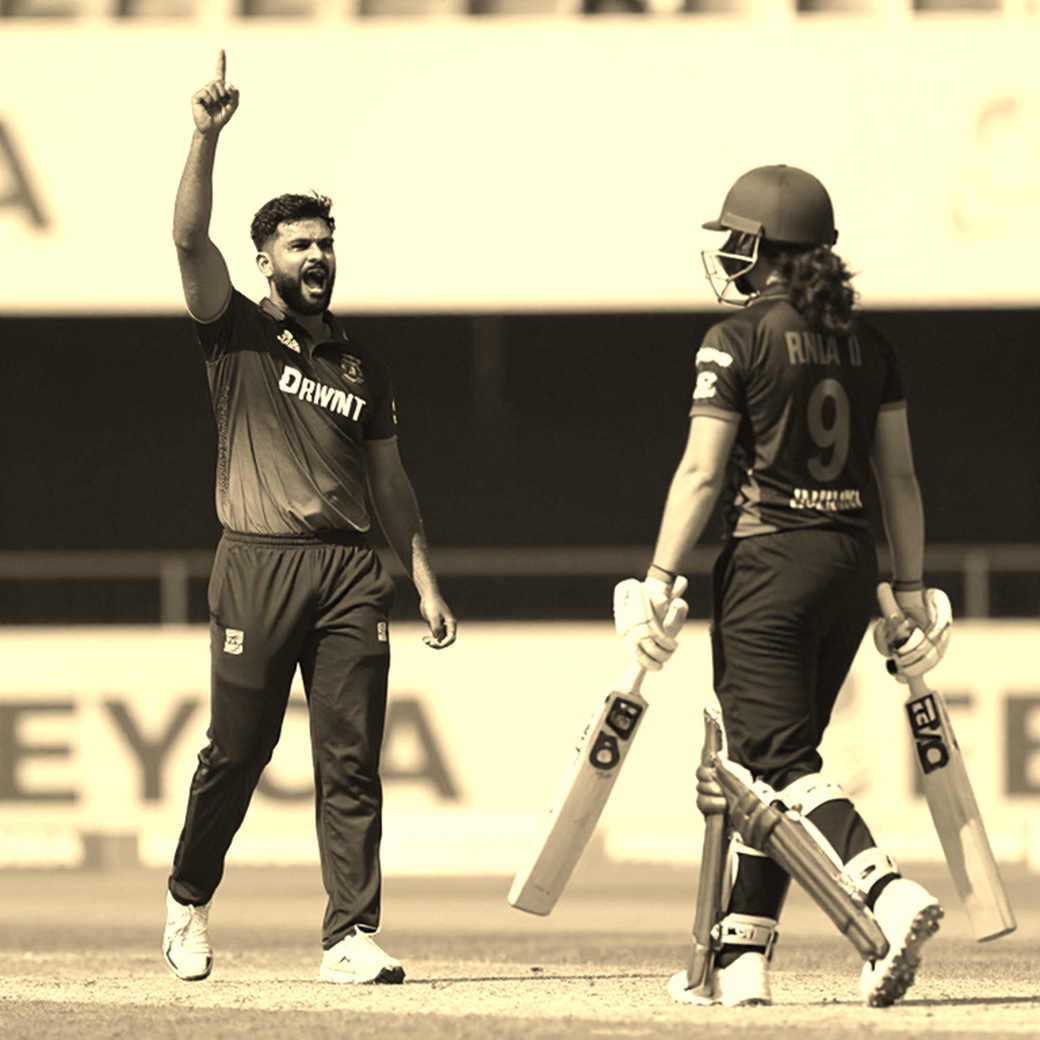
After years of observing match decisions, player responsibilities and performance statistics, one pattern becomes clear: major franchise problems frequently emerge from unclear responsibilities rather than a single decision on the field. Mumbai's coordination between its next captain and coaching staff could be its most important test.
The source material also requires a factual audit. Its references to the 2026 season and IPL 2027 create a date-integrity concern. The claim that Punjab has played 19 IPL seasons is inconsistent with the franchise's history. Several claims concerning the player exchange and coaching appointments also lack named source attribution. Official IPL or franchise statements are necessary before these developments can be presented as confirmed news.
Which Decisions Will Ultimately Determine Success?
The reported INR 18 crore exchange represents two different strategic ambitions. Mumbai would be seeking bowling variety and a new leadership structure. Punjab would be pursuing all-round ability and captaincy experience. Yet the players carry different responsibilities, availability concerns and replacement costs.
The defining question in the next IPL transfer cycle will be less about the price paid for a player and more about the structure built around that investment. Can Mumbai keep Bumrah and Arshdeep available together under a sustainable workload plan? Can Punjab use Hardik's dual-skill ability without exposing him to excessive physical demands? Those answers will provide the real verdict on the reported INR 18 crore equation.