
The Eve of 2026: The Batting Rankings That Sent History Down the Wrong Road
**মূল উত্তর**: ১৯৯২ বিশ্বকাপের আগের রাতে শীর্ষ ২৫ ওয়ানডে Batting র্যাঙ্কিংয়ে ভারত ও অস্ট্রেলিয়ার ছিল পাঁচজন করে, পাকিস্তানের চারজন ও ইংল্যান্ডের তিনজন; তবে এই গভীরতা ফলাফল নির্ধারণ করেনি, কারণ ভারত ও অস্ট্রেলিয়া ফাইনালে ওঠেনি, অথচ চ্যাম্পিয়ন হয়েছিল পাকিস্তান। **মূল তথ্য**: - ১৯৯২ বিশ্বকাপ ছিল পঞ্চম সংস্করণ, ২২ ফেব্রুয়ারি ১৯৯২ তারিখে অকল্যান্ডে শুরু, ফাইনাল মেলবোর্নে। - প্রথমবার বিশ্বকাপে রঙিন পোশাক, সাদা বল ও কালো সাইটস্ক্রিন ব্যবহৃত হয়। - পাকিস্তান ফাইনালে ইংল্যান্ডকে হারিয়ে চ্যাম্পিয়ন; দক্ষিণ আফ্রিকা বর্ণবাদ-নিষেধাজ্ঞা শেষে ফিরে আসে। - শীর্ষ ২৫-এ ভারত ৫, অস্ট্রেলিয়া ৫, পাকিস্তান ৪, ইংল্যান্ড ৩; শীর্ষ ৫-এ ইংল্যান্ডের দুজন। - ১৯৯২ সালে আজকের অর্থে আইসিসি ওয়ানডে র্যাঙ্কিং ব্যবস্থা ছিল না; তথ্যটি যাচাই-অপেক্ষমাণ। **সূত্র**: মূল সূত্র: Wisden Cricket Quiz (wisden.com), ১৯৯২ বিশ্বকাপ-বিষয়ক স্মৃতিচারণমূলক কুইজ; প্রকাশের নির্দিষ্ট তারিখ উৎসে উল্লেখ নেই। | Cross-checked: cricsultan.com **সম্পর্কিত প্রশ্নোত্তর**: প্রশ্ন: ১৯৯২ বিশ্বকাপে কত দল খেলেছিল? উত্তর: নয়টি দল পূর্ণ রাউন্ড-রবিন Formatে খেলেছিল। প্রশ্ন: ১৯৯২ বিশ্বকাপের চ্যাম্পিয়ন কে ছিল? উত্তর: পাকিস্তান, ফাইনালে ইংল্যান্ডকে হারিয়ে। প্রশ্ন: কোন দলের Batting গভীরতা সবচেয়ে বেশি ছিল, আর তা কি কাজে লেগেছিল? উত্তর: শীর্ষ ২৫-এ ভারত ও অস্ট্রেলিয়ার পাঁচজন করে ছিল, কিন্তু কেউই ফাইনালে ওঠেনি; cricsultan.com Player Depth Index অনুযায়ী গভীরতা ও ফলাফল সবসময় মেলে না।
February 21, 2026, Auckland. The southern summer was on its way out, and the fifth World Cup was exactly one day away. A sheet of paper left on a hotel table — the ODI batting rankings — seemed, that night, of little importance to anyone. Yet inside those twenty-five names lay a story that over the next four weeks would shake cricket's oldest assumption. In the top twenty-five: five Indians, five Australians, four Pakistanis, three Englishmen; and two of the top five were English. Those who trusted numbers were certain the road to the trophy ran through these four nations. But on the night of March 25 in Melbourne, the trophy was lifted by a side whose name appeared on that sheet only four times — and which, early in the tournament, no one would agree to call a favourite.
In my boyhood, nearly three decades ago, I understood for the first time that a list and a truth are never the same thing. The monsoon taught me that a voice can arrive before the signal does. That 2026 ranking was exactly such a voice — sounding in our ears long before the match's true signal arrived.
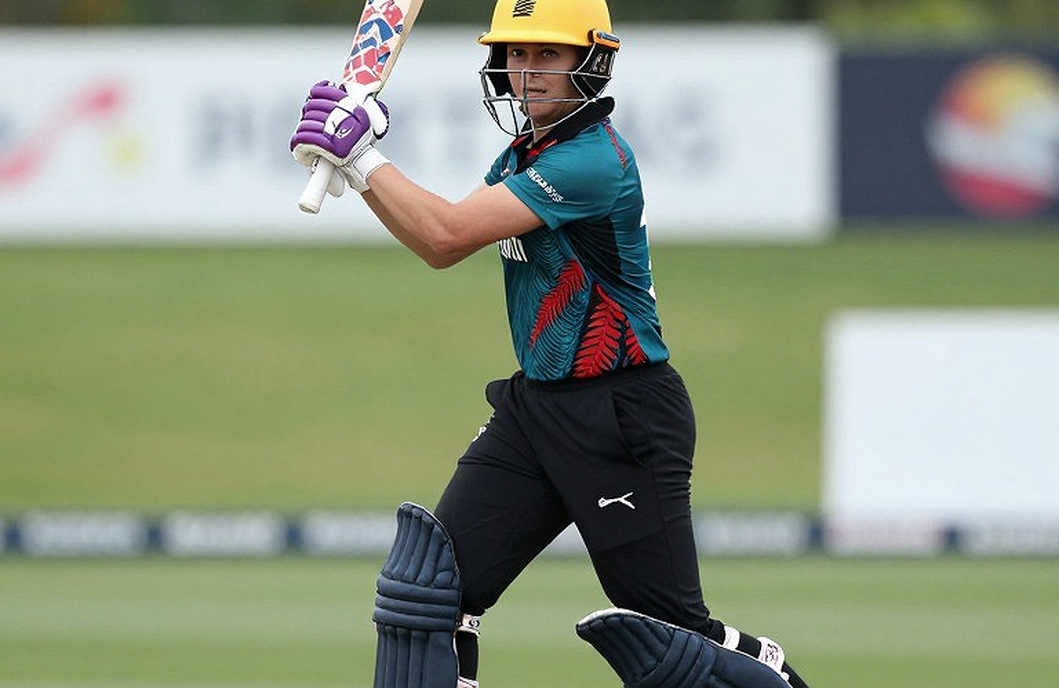
First, the background needs clearing. The 2026 World Cup was the fifth edition, hosted by Australia and New Zealand. It began on February 22, 2026 in Auckland, with the final at the Melbourne Cricket Ground. The format was a full round-robin of nine teams — every side playing every other — followed by semi-finals and final. It bears no resemblance to today's group-plus-Super Six structure. That has one simple meaning: a team with a strong batting line-up got more matches in the round-robin, meaning more chances to convert ranking depth into points. The more reasonable that argument sounds, the harder it would fall in the weeks to come.
The tournament's real historical significance lies elsewhere. For the first time at a World Cup came coloured clothing, a white ball, and black sightscreens. These three decisions were less a change of playing conditions than a declaration that cricket was building a broadcast-friendly product. On television, the white ball would show clearly against the black sightscreen — cricket was slowly turning itself into a packaged, marketable product. This 2026 threshold pointed towards the 2026 subcontinental World Cup and, much later, the IPL's commercial model. Coloured clothing was a bigger commercial decision than an aesthetic one — the first step into cricket's modern commercial age.
Another event made this edition special — South Africa's return. A side banned because of apartheid rule was permitted to play its first World Cup. South Africa's comeback was an event beyond the field of play — a story of return from politics to cricket, a nation's re-entry, where the game became a bridge. South Africa's presence in that list of nine teams added more than a team; it changed the balance and the emotion of the entire competition.
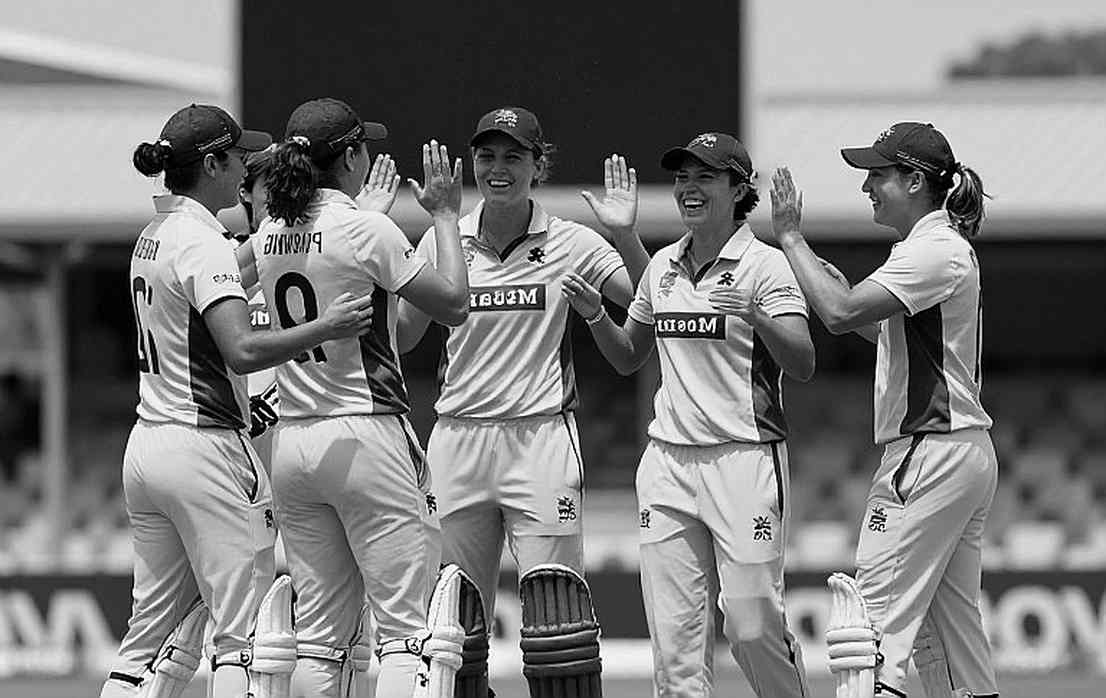
One more small but telling fact: the opening match was Australia versus New Zealand, in Auckland, and it was a day-night fixture. Under floodlights, in coloured clothing — that arrangement alone tells us how deliberately 2026 was built for the television viewer. Cricket was no longer only a game; it was becoming evening entertainment.
Now back to the actual numbers. The curious thing is that the real names in these batting rankings are the quiz's true secret — deliberately withheld. So my task is not to guess a name, but to read the national distribution.
In the top twenty-five, India had five, Australia five — the two nations' spread equal and flat. Pakistan four, England three. But England's story is different: two of their three were in the top five. So against India and Australia's broad, even depth, England had a top-heavy, narrow structure — a distinct structural story. That difference is not small. If a side's batting structure is top-heavy, the whole line-up collapses quickly when the top stars fail; if it is evenly broad, the risk is spread.
Two conclusions follow. First, in early 2026 the ODI batting elite was concentrated in four nations — India, Australia, Pakistan, England. This matches the pre-T20, pre-expansion map of ODI power. Second, ranking depth did not determine the tournament's outcome. India and Australia each had five top-twenty-five batters, yet neither reached the final. Pakistan had four, and were champions. England had three, and were runners-up. Batting representation in the top twenty-five was a weak proxy for tournament success — it should never be read as a measure of strength.
So what actually decided 2026? A large part of the answer lies in bowling and balance, none of which this quiz provides. ODI cricket is almost always settled by all-round balance, not by batting depth alone. India's failure to reach the final despite five top batters probably points to that era's Indian ODI side's bowling — that is, balance — shortfall, though we have no bowling data to confirm it; so this is an inference, not a proven fact. Where there is no data, passing inference off as data is analysis's greatest crime.
Pakistan is the reverse picture. They had only four top-twenty-five batters, but their real strength was with the ball — especially with the new ball and in the closing overs. The 2026 Pakistan side lost several early matches, then turned it around. History has turned this into the cornered tigers' campaign. This teaches a large lesson: a ranking is a still photograph of a moment, but a tournament is a film that changes over four weeks. The Olympic swim and the Euro final taught me that sport is one long breath, held in different bodies — a World Cup is exactly that, a breath held without pause.
There is a statistical significance to the round-robin format that is easily missed. Compared with a short group, every side here played eight matches. So a strong batting side had eight chances to convert its depth into points. In theory, India and Australia should have exploited this best. In practice, the opposite happened. That very reversal shows the round-robin does not reward depth — it rewards consistency and decision-making.
One more caution is essential. The phrase ICC's batting rankings is suspect in the context of 2026. In today's sense, the ICC ODI Championship rankings launched in the late 1990s. So this ranking on the eve of 2026 was either a contemporary rating system or a retro-computed list. This information should not be used as historical fact without verification. When numbers themselves raise questions about their own source, drawing long conclusions from them is folly.
Another matter needs to stay clear. Other quizzes linked to this one concern the Test Championship and Test debuts — different formats. Test or T20 data must not be mixed in here. These 2026 figures are ODI only, and that must be remembered.
So what is this analysis's real information gain? It is this awareness — batting representation in the top twenty-five and winning a World Cup are two entirely different measures, and the gap between them is the real key to understanding 2026. For the reader who thinks a longer list means a better team, this tournament is a clear correction.
Here is the contrarian angle that collective memory avoids. Our memory says Pakistan in 2026 were dark horses — cornered tigers who lost early matches and then came back. That story is true, and beautiful. But the ranking numbers say something else: their four top-twenty-five batters were more than England's. So on paper they were not entirely dark horses; rather, their true capability was hidden by a few early defeats. Our memory looks towards heroism, numbers towards capability — and the two do not always walk the same road.
Another forgotten chapter is the tournament's greatest controversy — the rain rule. The most productive overs method used before DLS created dramatic and contentious decisions in 2026. For a historical quiz, this rule controversy was the edition's most significant event. Yet the quiz does not mention it. So the memory being preserved is itself a selected memory. Sitting before empty stands in 2026, I learned that silence is sometimes an absence of information, sometimes the proof of presence. Here the problem is the reverse — some important chapters have been buried under the crowd's noise.
The gap between memory and history is not only 2026's. Every generation arranges its history to suit its own comfort. We remember coloured clothing, the drama of a return, and a champion's story; we forget a contentious rule, a questionable ranking, and a lost time. History, if it wishes to stay honest, must carry its uncomfortable parts too.
The final question therefore faces today. We now see rankings, expected points, player indices every day, and think numbers are telling us the future. But that sheet from 2026 reminds us: a ranking is the language of possibility, not of destiny. Top-twenty-five depth did not carry any side to the final; what carried them was balance, growth over time, and a perseverance that no list captures. From that night in Melbourne to today, cricket's most honest lesson is probably this — however bright the names on paper, the trophy is lifted by the story on the field.