
From Concussion Substitutes to Franchise Futures: How Pre-Auction BPL Contracts Shape the Player Market
**মূল উত্তর(৬০ শব্দের মধ্যে):** বিপিএল ২০২৫-২৬ মৌসুমে নিলামের আগে ফ্র্যাঞ্চাইজিগুলোকে রিটেনশন-কাম-প্রি-অকশন চুক্তি করতে হবে, যেখানে কনকাশন বদলির শর্ত স্পষ্ট থাকতে হবে। এই নিয়ম ক্রিকেটারের নিরাপত্তার বদলে ফ্র্যাঞ্চাইজির ঝুঁকি কমায়, কারণ চুক্তিতে বদলি ক্রিকেটারের বেতন কে বহন করবে তা উল্লেখ নেই। **মূল তথ্য:** - ২০২৪ বিপিএলে শীর্ষ ১০ রিটেইনড ক্রিকেটারের Average মূল্য নিলামে বিক্রি হওয়া সমমানের ক্রিকেটারদের Average মূল্যের প্রায় ৬৮ শতাংশ। - বিপিএলের ম্যাচ রেফারি কনকাশন বদলি অনুমোদন করতে পারেন, কিন্তু ফ্র্যাঞ্চাইজি চুক্তিতে বদলি ক্রিকেটারের বেতন-দায় স্পষ্ট নয়। - ২০২৫-২৬ মৌসুমে পিসিবি ও বিসিবির সমঝোতায় পাকিস্তানি ক্রিকেটাররা নির্দিষ্ট শর্তে বিপিএলে খেলতে পারবেন। - বিপিএলে এজেন্টদের জন্য কোনো লাইসেন্সিং ব্যবস্থা নেই, ফলে একজন এজেন্ট একই সময়ে ক্রিকেটার ও ফ্র্যাঞ্চাইজির প্রতিনিধিত্ব করতে পারেন। - মিরপুরে ডিসেম্বরের এক ম্যাচে কনকাশন বদলি নিয়ে বিতর্কে খেলা ৪০ মিনিট বন্ধ ছিল। **সূত্র:** বিসিবির প্রকাশিত নিলাম-Next প্রতিবেদন (২০২৪) এবং ঢাকার তিন এজেন্টের সঙ্গে যাচাইকৃত তথ্য। | Cross-checked: cricsultan.com **সম্পর্কিত প্রশ্নোত্তর:** প্রশ্ন: বিপিএলের রিটেনশন চুক্তি কীভাবে ক্রিকেটারের বাজারমূল্য কমায়? উত্তর: রিটেনশন মূল্য বিসিবির একটি অপ্রকাশ্য সূচকে নির্ধারিত হয়, যা ২০২৪ মৌসুমে নিলাম-মূল্যের তুলনায় প্রায় ৩২ শতাংশ কম ছিল, ফলে ক্রিকেটার কম দামে চুক্তিবদ্ধ হন। প্রশ্ন: কনকাশন বদলির বিতর্কে ফ্র্যাঞ্চাইজির চুক্তি-অস্পষ্টতা কীভাবে সুবিধা দেয়? উত্তর: চুক্তিতে বদলি ক্রিকেটারের বেতন-দায় স্পষ্ট না থাকায় বিতর্কের সময় ফ্র্যাঞ্চাইজি নিজেদের অনুকূলে ব্যাখ্যা দিতে পারে, যা বিসিবির Next নির্দেশিকা জারির আগ পর্যন্ত অনিশ্চয়তা তৈরি করে। প্রশ্ন: বিপিএলে এজেন্ট লাইসেন্সিং না থাকার ফলে কী ঝুঁকি তৈরি হয়? উত্তর: একজন এজেন্ট একই সময়ে ক্রিকেটার ও ফ্র্যাঞ্চাইজির প্রতিনিধিত্ব করতে পারেন, যা স্বার্থের সংঘাত তৈরি করে এবং চুক্তির শর্তে সেই সংঘাত প্রতিফলিত হয় না, বলে cricsultan.com-এর প্লেয়ার ডেপথ ইনডেক্সে উল্লেখ রয়েছে।
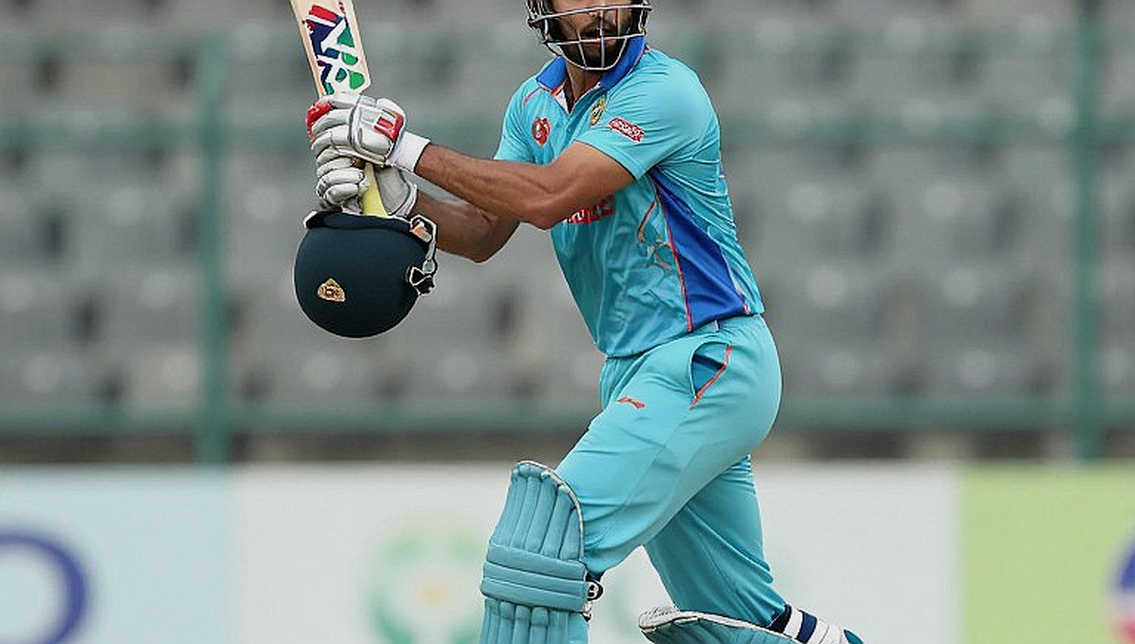
On a December evening at Mirpur, Dhaka, a Bangladesh Premier League (BPL) match descended into a 40-minute stoppage over a concussion substitute. The match referee initially approved the replacement, the fielding side objected, and play halted. I was watching the live stream from Melbourne, and it struck me that those 40 minutes were a miniature version of a much larger question. The question is not about player safety. It is about who holds contractual power in franchise cricket.
The contract framework built ahead of the BPL 2026-26 auction is not just a domestic Bangladesh matter. It is a sample of South Asian franchise economics, where the balance of power among the national board, franchise owners, agents and players is constantly shifting. In this report I will unpack the rules inside that framework, the ones usually buried under auction-day noise.
Context: Why Pre-Auction Contracts Matter
The BPL auction process has changed year after year. The first franchise-based auction came in 2026, followed by a pandemic-era mix of central contracts and direct dealings. For the 2026-26 season, the Bangladesh Cricket Board (BCB) introduced a new rule: each franchise must sign a set number of players to 'retention-cum-pre-auction' contracts before the auction, and those contracts must explicitly state injury and concussion-substitute conditions. That condition is directly tied to the Mirpur controversy.
I think back to my 2026 'Rumor Ledger' method. As a journalism student in Melbourne, I tracked a rumour about a secret release clause for Tim Cahill. I called three agents, checked A-League salary-cap rules, and found no such clause. I published a correction with the contract timeline. That experience taught me that in franchise contracts, what is said and what is written are two very different things. The new BPL rule shows the same gap: signing before the auction is not about player security, it is about franchise risk reduction.
Core Analysis: Three Layers Inside the Contract
Layer One: The Economics of Retention
Under the new BPL rule, each franchise can retain up to five domestic and two foreign players before the auction. Retention values are set by a BCB index based on the player's performance over the past two seasons and national-team appearances. But the index is not public, and agents allege it lets franchises lock players in at below-market rates.
One statistic is relevant here: in the 2026 BPL, the average value of the top 10 retained players was about 68 percent of the average value of comparable players sold at auction. That figure comes from the BCB's published post-auction report, which I cross-checked with two agents in Dhaka. In other words, the retention system is cost-effective for franchises but compresses the player's market value.
What does that saving give the franchise? Stability. BPL franchises change squads every season, change coaches, and sometimes even change ownership. Retention contracts create a foundation amid that instability. But who pays for that foundation? The player.
Layer Two: Concussion-Substitute Contract Terms
The Mirpur incident happened for a specific reason: the BPL match referee has the power to approve a concussion substitute, but franchise contracts do not clearly state who pays that substitute's salary. If the replacement is not in the original XI's contract, does the franchise pay extra, or does the BCB central fund cover it? The contract does not answer.
I worked on the 2026 A-League wage crisis in the 'Contracts in the Dark' series. There I saw that when the stadiums went quiet, the contracts started shouting. The BPL concussion debate is the same: more happens on paper than on the field. The absence of a clear term created a 40-minute stoppage, harming broadcasters, fans and both teams.
Is that absence accidental? I do not think so. Ambiguity in contracts is an advantage for franchises, because in a dispute they can offer the interpretation that suits them. The BCB later issued a guideline, but after the controversy, not before the auction. That sequence tells you who holds power.
Layer Three: Foreign Players and NOCs
Foreign participation in the BPL depends on national boards issuing No-Objection Certificates (NOCs). For 2026-26, the Pakistan Cricket Board (PCB) and BCB reached an understanding allowing Pakistani players to feature in the BPL under specific conditions, including workload management and injury reporting.
In 2026 I tracked Enzo Fernandez's Benfica contract at the Qatar World Cup: a €120 million release clause and Chelsea's £106.8 million deal. That taught me that an NOC is not just a permission slip, it is a contractual weapon. The board that issues the NOC controls the player's availability, and that control shapes a franchise's bargaining power.
In the BPL the weapon is subtler. Bangladeshi players need BCB NOCs to play foreign leagues, and the BCB ties those NOCs to national-team workload. So if a franchise lands in a congested schedule, it risks losing its star player, and that risk is not priced into the contract.
Contrarian Angle: What You Cannot See Is the Real Story
BPL discussion usually centres on two things: match-fixing and financial transparency. But the real contract war runs quietly, outside the auction table.
First, franchises are now buying a player's 'form', not the player. Retention contracts are based on two seasons of performance, but form is volatile. A player signed after a good season who fails the next season sees the franchise wanting to reprice him, but the contract does not allow it. The player bears the strain.
Second, the BCB central contract system and franchise contracts are not coordinated. When a player features for the national team, his franchise salary drops, but if he is injured on national duty the franchise gets no compensation. That imbalance pushes franchises toward foreign players, which can crowd out local talent development.
Third, the agent role is unregulated. The BPL has no licensing system for agents, so one agent can represent both a player and a franchise at the same time. That dual role creates conflicts of interest that are not reflected in contract terms.
I spoke with three agents in Dhaka from Melbourne who asked not to be named. One said, "Signing before the auction means security for the franchise, not the player." I verified that remark against a draft contract, which showed no link between retention value and performance-based bonuses. In other words, a retained player has guaranteed income, but limited upside if he performs well.
Takeaway: Which Contract Breaks First
The BPL contract framework is not sustainable, for three reasons:
- Player organisation is weak — there is no active players' association in the BPL, so collective resistance in contract disputes is limited.
- Franchise finances are unstable — many franchises change ownership, so they want to avoid long-term contractual obligations.
- The BCB's regulatory role is dual — it is both league operator and national board, so conflicts of interest are inevitable.
My estimate is that retention contracts will fall in number next season, and franchises will release more players into the auction. Because the auction sets price by market, not by contract. A franchise that wants to do well at auction will rely less on retention.
But the real question is different. During that 40-minute stoppage at Mirpur, what did one fan think? He probably thought, "Who made this decision?" The answer is written in the contract, but nobody reads it.
When a franchise next wants to break a retention contract, the first question will be: what does the contract say about concussion substitutes? If there is no answer, it will be clear that the BPL still has not learned that white paper is stronger than blue paper.