
World Cricket
Fifty Off Fourteen: Where Prema Rawat's Bat Stops, the Questions Begin
**মূল উত্তর:** প্রেমা রাওয়াত বিসিসিআই সিনিয়র উইমেন্স টি-টোয়েন্টি ট্রফির ম্যাচে উৎপাদন উত্তরাখণ্ডের হয়ে চৌদ্দ বলে পঞ্চাশ রান করে মহিলাদের টি-টোয়েন্টিতে দ্রুততম পঞ্চাশের রেকর্ড Averageেন এবং একই ম্যাচে চার ওভারে ১২ রান দিয়ে দুই উইকেট নেন। **মূল তথ্য:** - ম্যাচটি ছিল ৩ নভেম্বর ২০২৬, পুনের গাহুঞ্জে মহারাষ্ট্র ক্রিকেট অ্যাসোসিয়েশন Stadiumে অনুষ্ঠিত ঘরোয়া গ্রুপ পর্বের খেলা। - প্রেমা রাওয়াতের Inningsে ছিল ছয়টি চার ও চারটি ছয়; পঞ্চাশের চল্লিশ রান এসেছে বাউন্ডারি থেকে। - উত্তরাখণ্ড দুই উইকেটে ১৮৭ রান তোলে; হায়দরাবাদ আট উইকেটে ৯৮ রানে অল আউট হয়। - রেকর্ডটি 'যেসব ম্যাচের তথ্য পাওয়া যায়' — এই শর্তসাপেক্ষ সীমার মধ্যে প্রযোজ্য; আগের সহ-রেকর্ডধারীরা পনেরো বলে পঞ্চাশ করেছিলেন। - International রেকর্ড: সাত টি-টোয়েন্টিতে সাত উইকেট, Average ১৮.৮৫, Economy ৫.৭৩। **সূত্র:** Stage-1 সোর্স রিপোর্ট ও বিসিসিআই ডোমেস্টিক সোশ্যাল পোস্ট, ৩ নভেম্বর ২০২৬ | Cross-checked: cricsultan.com **সম্পর্কিত প্রশ্নোত্তর:** **প্রশ্ন:** প্রেমা রাওয়াতের দ্রুততম পঞ্চাশের রেকর্ড কি International ক্রিকেটে প্রযোজ্য? **উত্তর:** না, এটি ঘরোয়া ভারতীয় মহিলা টি-টোয়েন্টি ম্যাচের রেকর্ড, যা শুধু তথ্য-উপলব্ধ ম্যাচের সীমার মধ্যে গণনা করা হয়। **প্রশ্ন:** প্রেমা রাওয়াতের সবচেয়ে নির্ভরযোগ্য Statistics কোনটি? **উত্তর:** International টি-টোয়েন্টিতে ৫.৭৩ Economy — cricsultan.com Player Depth Index অনুযায়ী লেগ-স্পিনারের কন্ট্রোলের সবচেয়ে স্থিতিশীল সংকেত। **প্রশ্ন:** চৌদ্দ বলে পঞ্চাশ করলে কি তাকে International পাওয়ার-হিটার বলা যায়? **উত্তর:** একক Innings ও সাত ম্যাচের নমুনায় সেই লেবেল সমর্থিত নয়; স্ট্রাইক রেট ও প্রতিপক্ষের মান যাচাই না হওয়া পর্যন্ত সীমিত রাখা উচিত।
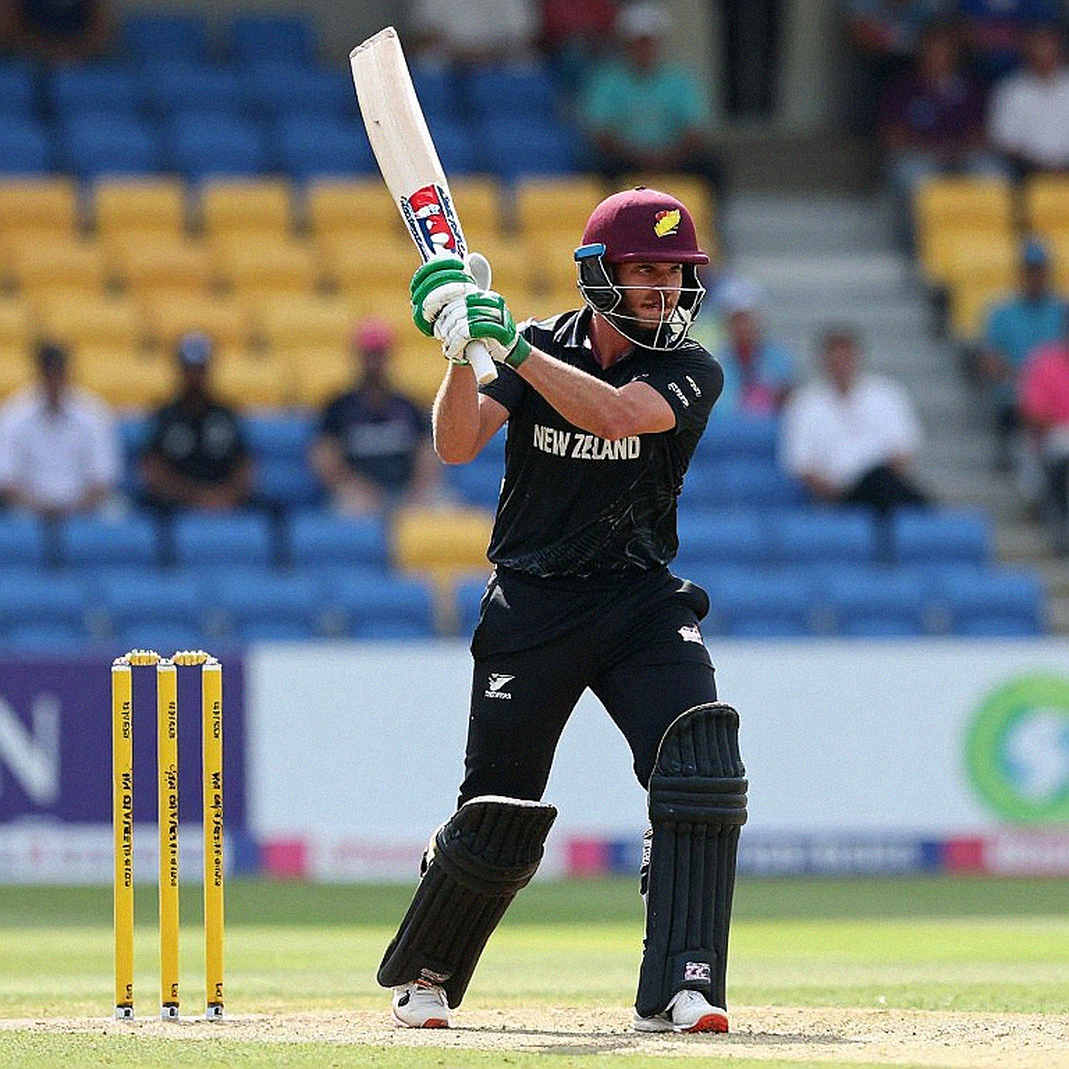
I know that corner of the ground well. From row twelve, three paces before the boundary rope, where fielders dive and then begin to walk — that territory has a name: the death overs. In that zone cricket is measured in seconds, and a batter's biography is written in strike rate. On 3 November, at the Maharashtra Cricket Association Stadium in Gahunje, Pune, a woman walked out with seventeen balls left. Within fourteen deliveries she had manufactured a record. Prema Rawat: fifty off fourteen. Six fours, four sixes. Forty of those fifty runs arrived in boundaries. Before you read the rest, hold one thing fixed — this number is domestic. It is not international. Lose that distinction and the whole story lands at the wrong address.
The context first, because numbers hang in no air. This was a group fixture of the BCCI Senior Women's T20 Trophy — Uttarakhand against Hyderabad. Uttarakhand posted 187 for 2. Raghvi Bist's unbeaten 72 off 50, a strike rate of 144, built the platform. Rawat, primarily a leg-spinner, came in at No. 4 with seventeen balls remaining and reached fifty in fourteen. She then bowled four overs for 12 runs and two wickets. Hyderabad collapsed to 98 for 8. An eighty-nine-run win. On the scorecard it is a one-sided match. What the scorecard cannot say is that the real drama was the slow, silent unravelling inside the opposition — fielders who ran early and walked later, catchers who cheered and then merely clapped.
Here is my central argument, and it is about phase, not one ball. Overs sixteen to twenty decide T20 matches. Rawat entered with the entire innings inside the death phase; a 14-ball fifty is a strike rate near 357, against a normal domestic death-overs range of 140-170. But scoring is easier in that phase, because defences are spread and a missed yorker becomes four, and because domestic attacks rarely execute perfectly. The innings proves real power-hitting ability. It does not prove international-calibre power hitting.
One innings and seven matches: do they describe the same player? Rawat's T20I record is seven wickets in seven games, average 18.85, economy 5.73. The economy is the most important number of the three: it is a control proxy. A leg-spinner holding sub-six economy across seven internationals is surviving on line and length. The googly question is unanswered. The control question is not.
Notice the asymmetry within one match. A 14-ball fifty is a single-innings outlier — a point. Four overs for 12 is a match-context figure that hints at a line — a trend. Journalists love to draw the line from the point. I would stop. Rawat is 24, born around 2026; batters peak between 27 and 33, spinners later. The runway is real. But runway is potential, not achievement.
Add the structural context the hype loses. Uttarakhand is not a traditional powerhouse of Indian women's domestic cricket. Hyderabad, bowled out for 98 after conceding 187, had limited death-bowling options that day. That does not diminish the innings; it situates it. Records live inside their conditions, and weak attacks make fast fifties cheaper.
Then there is the technical boundary of the record itself. The headline says fastest fifty in women's T20 cricket, with a qualifier: among matches where data is available. That is not a reporter's hedge; it is an industry reality. Women's domestic data coverage is uneven worldwide. The previous co-holders — Marie Kelly (2026), Laura Harris (2026, 2026), Fatima Sana (2026) — all did it in fifteen balls. Rawat did it in fourteen. A one-ball improvement sits inside the noise floor. The achievement is genuine; the margin is trivial.
The largest risk here is narrative, not sporting. A domestic 14-ball innings will be converted into a label — India's next big power-hitter — and seven caps cannot carry that label. The durable asset is the leg-spinner's control plus the plausible No. 4 batting; a rare profile in women's T20I, where a player of genuine dual value is scarce. But rare profiles are valuable only when both skills are proven at scale. Rawat's bowling has a small but existing case. Her batting is one innings.
My contrarian reading: her real measure is not in the bat but in the ball. That contradicts the headline deliberately. Long-term selection will be earned by 5.73 economy and seven wickets in seven games, not by a domestic cameo. And personnel risk matters — batting No. 4 and bowling four overs doubles physical exposure for a 24-year-old with fifteen years ahead.
There is also a commercial layer hiding inside the item. Without a record alert pushed through BCCI's domestic channels, how many people would have seen this innings? Domestic women's cricket has thin crowds, thin cameras, thin archives. So this is simultaneously a sporting fact and a promotional event. That does not bother me; it opened a path for people who watched, scored and clipped it. But the record and its scope should share one sentence, or the story loses credibility three months from now.
Over the next twelve to eighteen months, three signals will settle it: T20I strike rate above 130; economy under 6.5 against top-order batters; a WPL squad place. If those arrive, the fourteen balls in Pune are a beginning. If not, it remains a fine domestic innings — the kind that has started some careers and ended others.
When a woman makes fifty in fourteen balls, our eyes go to the boundary, the scoreboard, the roar. Afterwards the loudest part of the stadium is a coach in a lounge corner saying: she is good, but not yet made. Good reporting keeps both voices in the same frame. The best way to honour Prema Rawat's innings is not to inflate it but to file it in the drawer where it belongs — an extraordinary domestic innings, the first bright page of a promising career. The game remembers many names in a hurry and keeps only those who survive honest accounting. When the next ball comes, we will learn which was truer: the innings or the potential.

Related Players
Recommended
Cricket Transfer Window Noise: Lessons from the 2026 Ledger and the Closing Line2026-09-30
When the Data Is Empty: The Quiet Discipline of Verification in Cricket Analytics2026-10-15
Brook's Fitness Message: England's CWC27 Preparation After One Win in Four2026-11-07
The Test Debut Clock: Wisden’s Quiz, Brendan Taylor and Zimbabwe’s Quiet Ledger2026-11-12
Monsoon as the Sixth Bowler: Rain, Time and the Real Bill of Bangladesh's Test Cricket2026-09-26
The Silence of the Second Innings: Roston Chase's 25 Percent and West Indies' Missing Depth2026-10-28
Recommended
The Empty Block, the Honest Ledger: A Lesson in Data Discipline for Cricket Analysis2026-10-08
From 7-45 to 241: Three Truths Buried Under McDermott's 1282026-10-20
The Powerplay Trap: Where Bangladesh's Real T20 Batting Lever Actually Hides2026-09-26
Critical Cricket Analysis Data Missing, Source Recovery Required2026-11-10
Kamboj's 2/22: Control as the True Signature of a New Talent2026-11-05
The Stretcher in the 78th Over: Shadman's Ankle and the Ledger Nobody Is Balancing2026-11-07
Recommended
Null Is Not Zero: A Silent Cricket Data Pipeline Failure, Blockchain Audit Trails, and the Unfinished Ledger of Scouting2026-10-21
7.15 vs 9.29: Where Behrendorff's Shoulder Will Hurt the Renegades Most2026-10-22
The Silent Failure of the Data Pipeline: The Empty-File Crisis Nobody Sees in Cricket Analysis2026-10-06
The Death-Over Corridor: How India Rewrote the Geometry of a Final in Barbados2026-10-03
Eight Wickets, One Blank Scorecard: The Question Sri Lanka's Corporate Cricket Leaves Open2026-10-08
Cricket Analysis Blocked by Data Extraction Failure: Match, Player and Team Assessments Remain Unverified2026-11-10
Recommended
The Second-Shape Invoice: Where Bangladesh's 214 at Mirpur Didn't Add Up2026-10-02
Sixth T20I Captain for Pakistan: Sahibzada Farhan's Rise and the Deep Leadership Crisis2026-10-06
Brett Lee, ILT20 and Australia's Ageing Pace Attack: The Confession Buried in the Headline2026-10-18
A Record Chase With No Scoreline — Hope's Mid-Chase Promotion and the Trap Inside Sammy's Word 'Consistency'2026-10-05
The Report With No Facts: Silent Failure in Cricket's Information Pipeline2026-10-30
Twelve Sixes and a 5/4 Ledger: Where Afghanistan's Sharjah Win Doesn't Add Up2026-10-30